Ariel (Ari) Turobiner - Interview
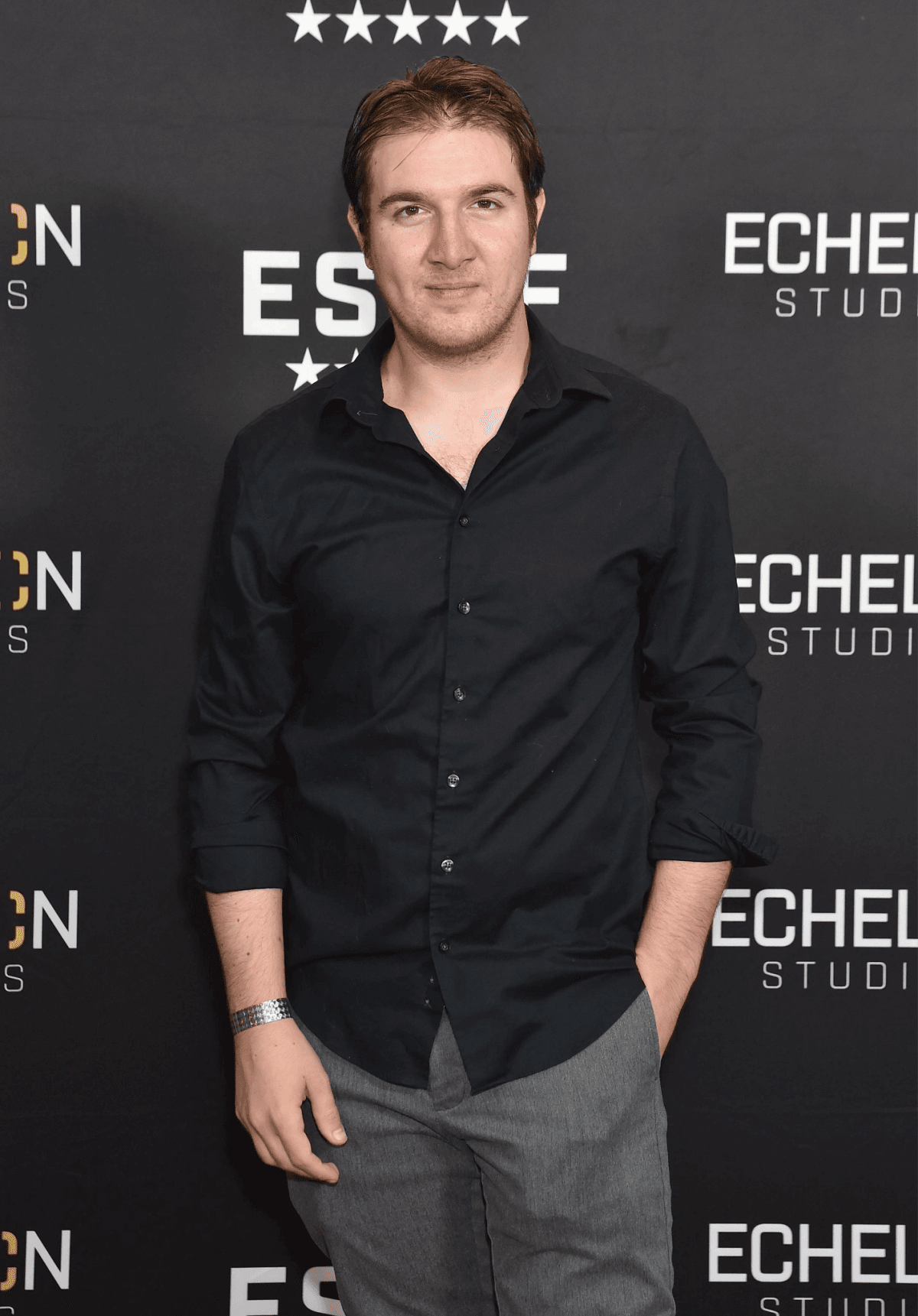
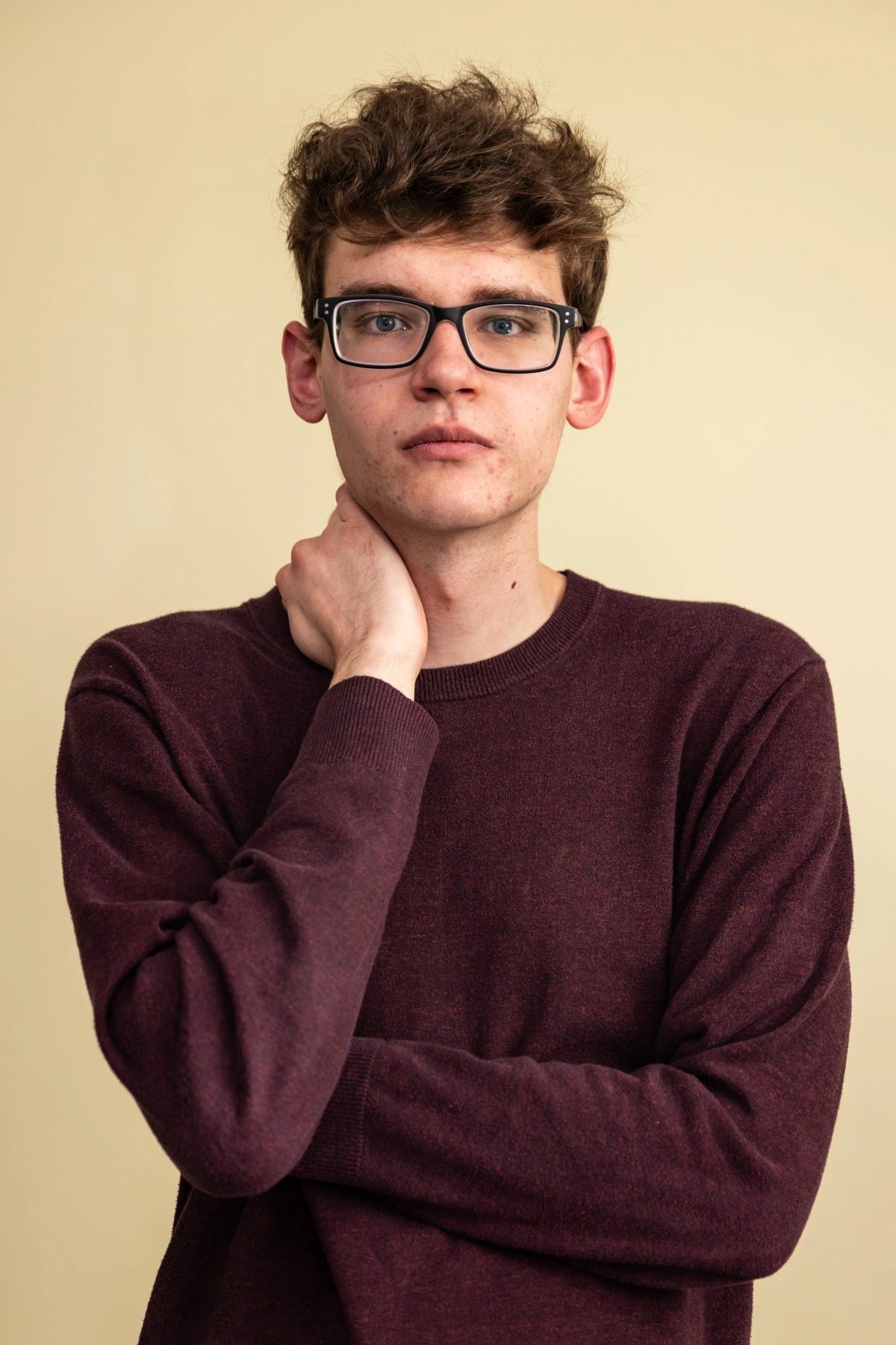
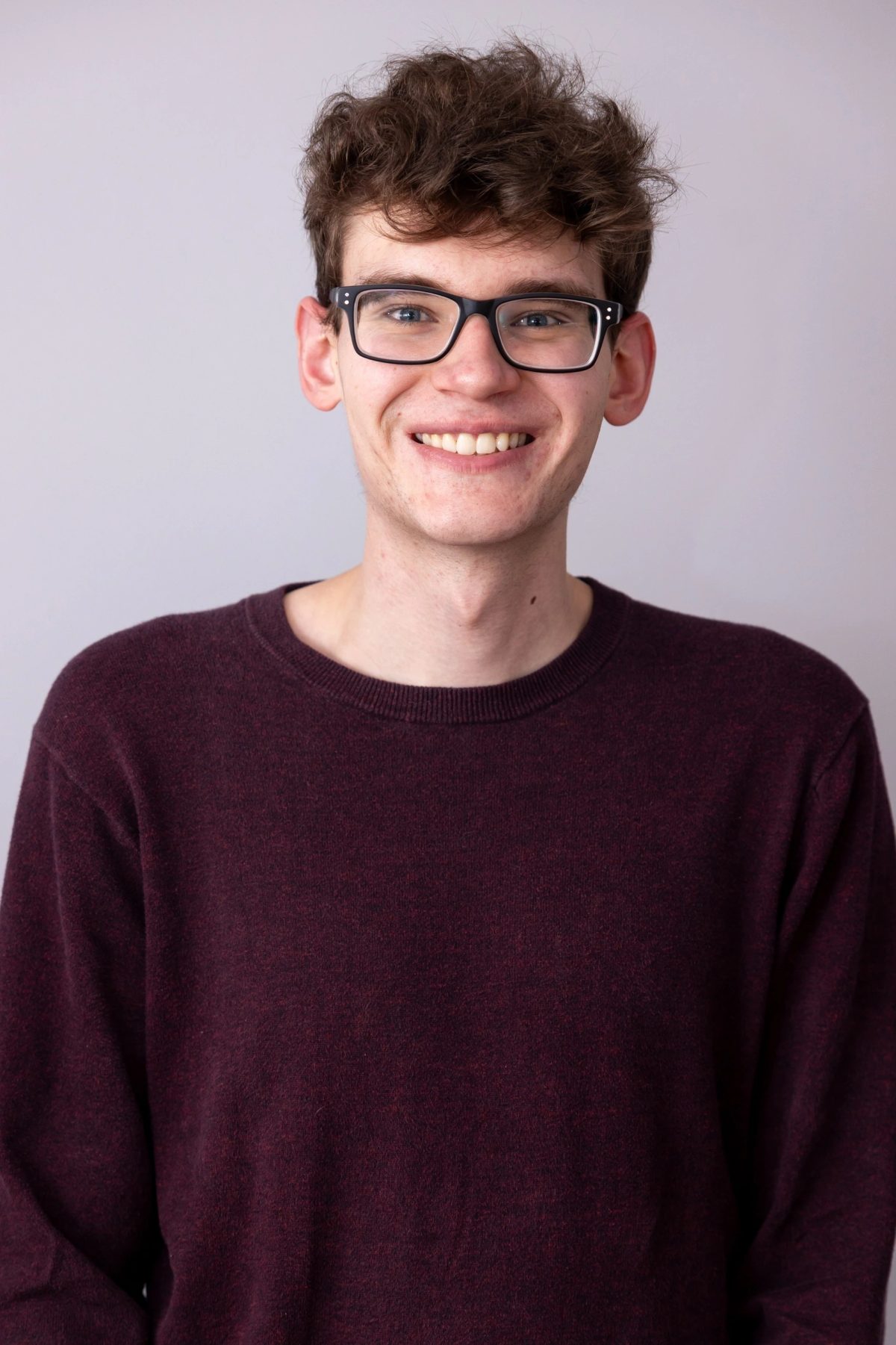
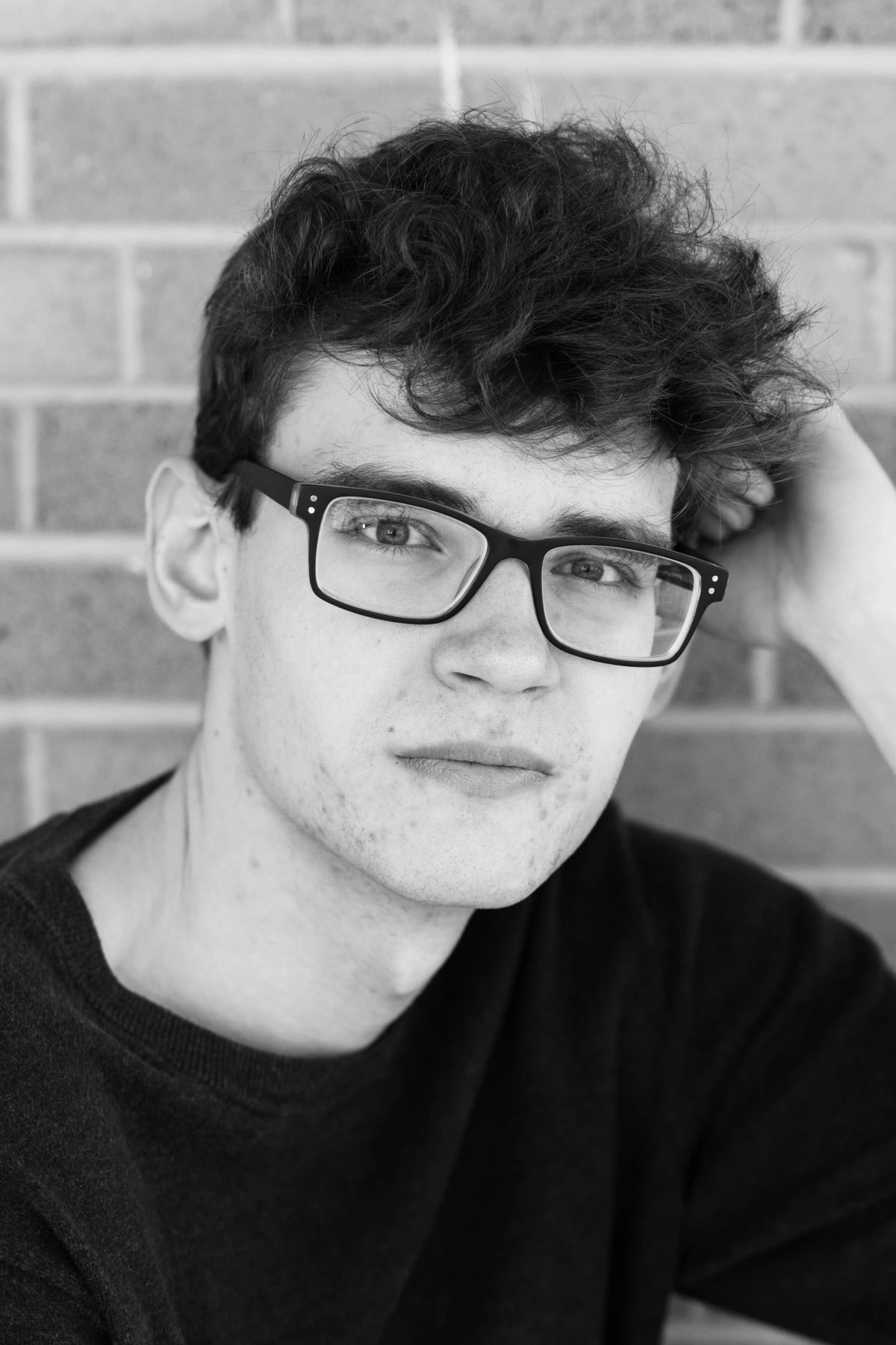
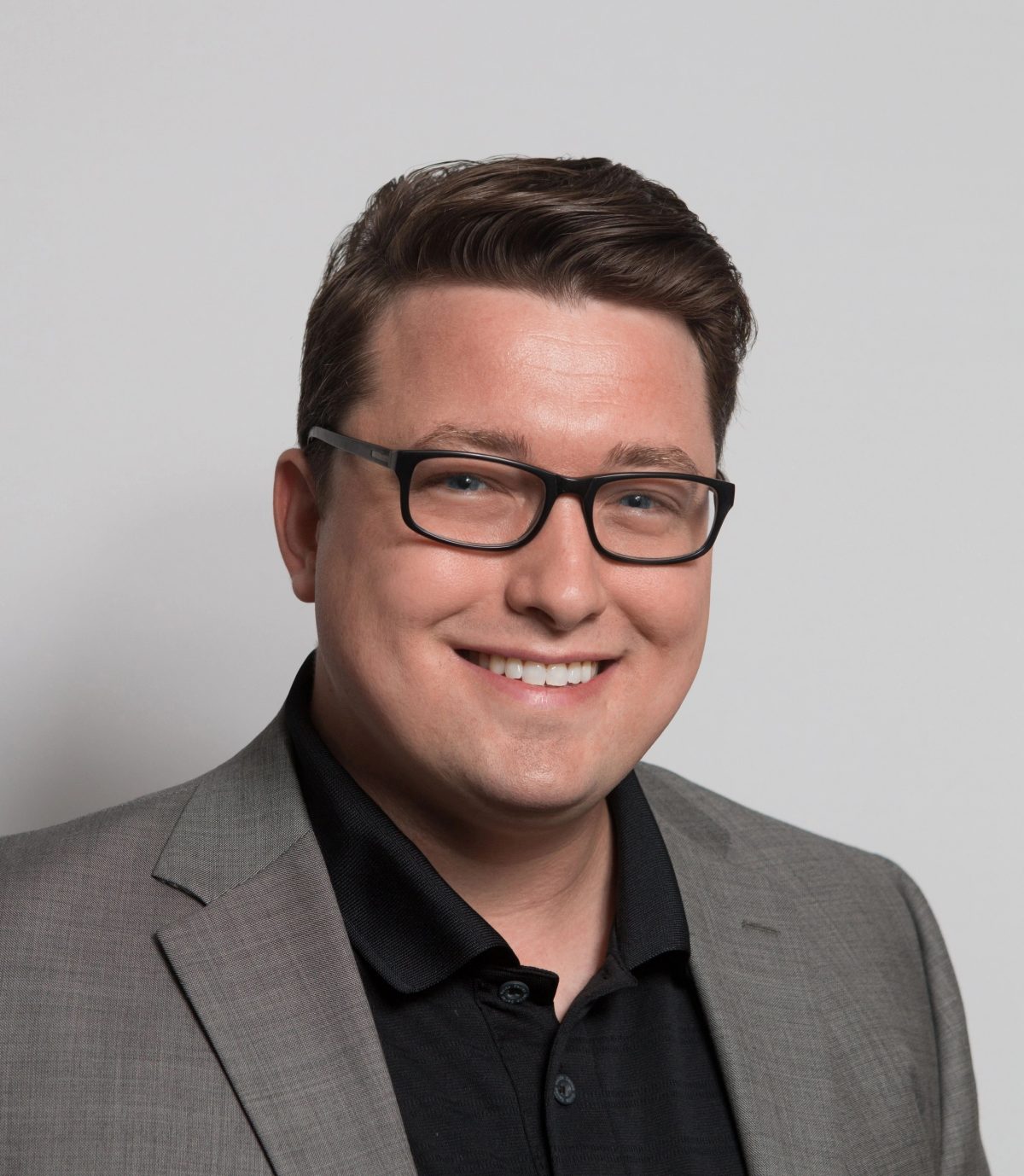
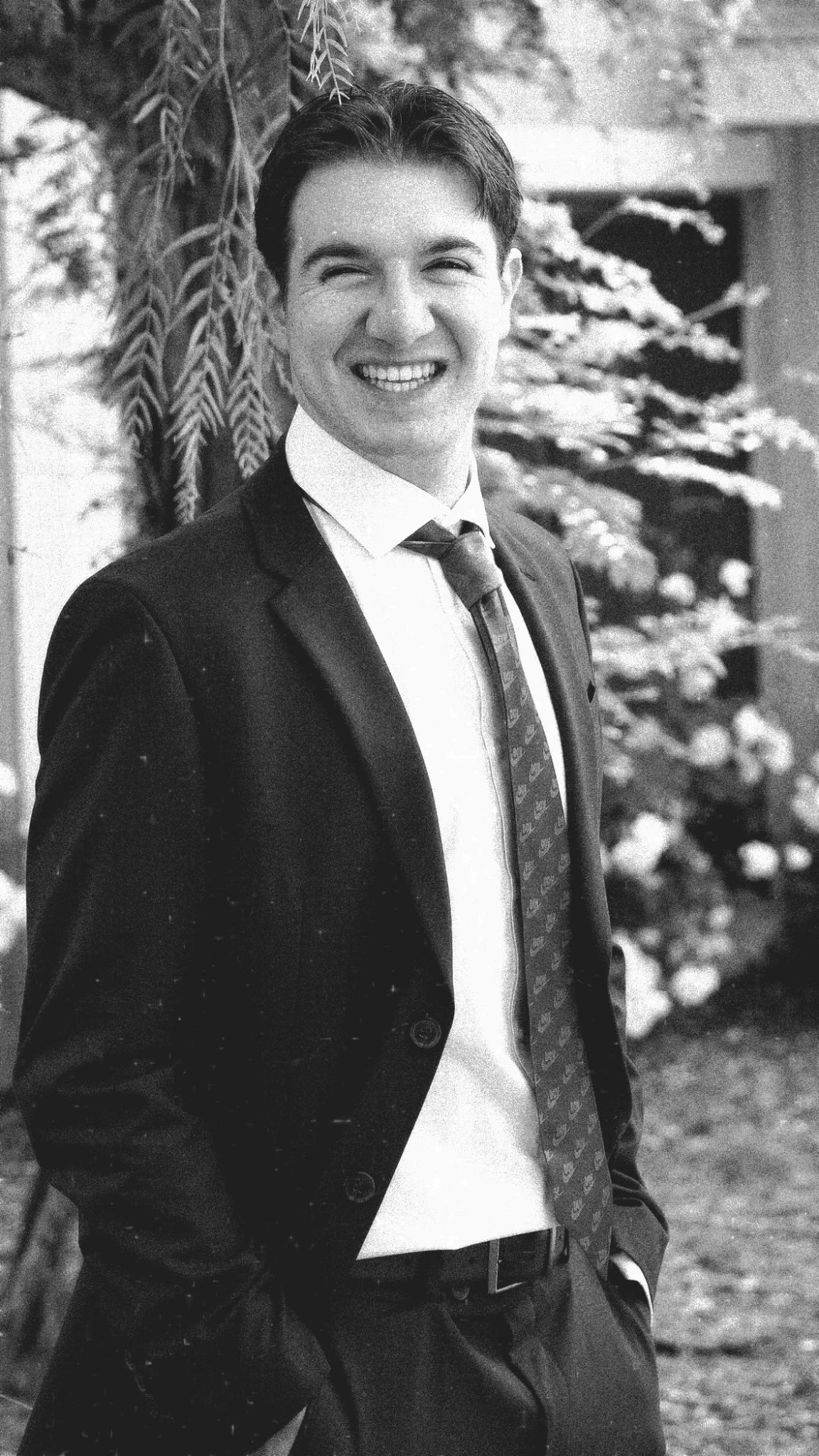
Ariel (Ari) Turobiner is an award-winning dynamic multi-hyphenate artist—an actor, filmmaker, and musician—who shapes narrative landscapes through the lens of community, telling human stories and a deep-seated love for vintage aesthetics. Grounded in a profound appreciation for artistic history, his work serves as a soulful bridge where collaborative independent spirit meets polished commercial execution.
What was your very first audition or project like?
My first audition started as far back as elementary school, when I first started getting into acting due to having a stutter and my parents, speech therapist, and other close family. For a period of time, I did child modeling and was on the cover of a toy box! Years later, I found film auditions to be great ‘practices’ and tests to try and grow as an actor. My first real project was BTTF Project 85. I was the co-director, organizer, and one of the lead actors playing Marty McFly. Both as a filmmaker, actor, and musician. Getting able to make and be in my favorite movie was a dream come true, and acting alongside original cast members. The hardest part was that this took place during COVID, so everyone had to film scenes remotely, and organizing a large group taught me so much about leadership and its importance in film. While not done in a standard way, I learned the basics, and then some, which led me to study film properly at college, where I gained the skills I have today.
Have you ever doubted your talent?
Answer: Yes, of course! I’m always looking for ways to grow, adapt, and learn. I think art has a way of evolving with you as a person. To this day, I still have so much to learn and can’t wait to tell new stories, try new things, and explore a diverse range. I believe that if there is doubt of some kind, it means the reward must be greater to cause it.
What keeps you going during difficult times in your career?
Answer: The relentless belief in myself, my world, and others with the same belief who are there to walk and learn beside you. Knowing myself, flaws and all, allows for meaningful growth. I’m someone who always loves working and is just happy to be a part of a project. I don’t stop, and when I do, I’m thinking about how to start my next thing as best as possible. I recognize what I can and can not achieve at this moment and allow life and art to have overlap. Limitations breed creativity. That, and an insane amount of optimism!
Is there a role or script you regret not choosing?
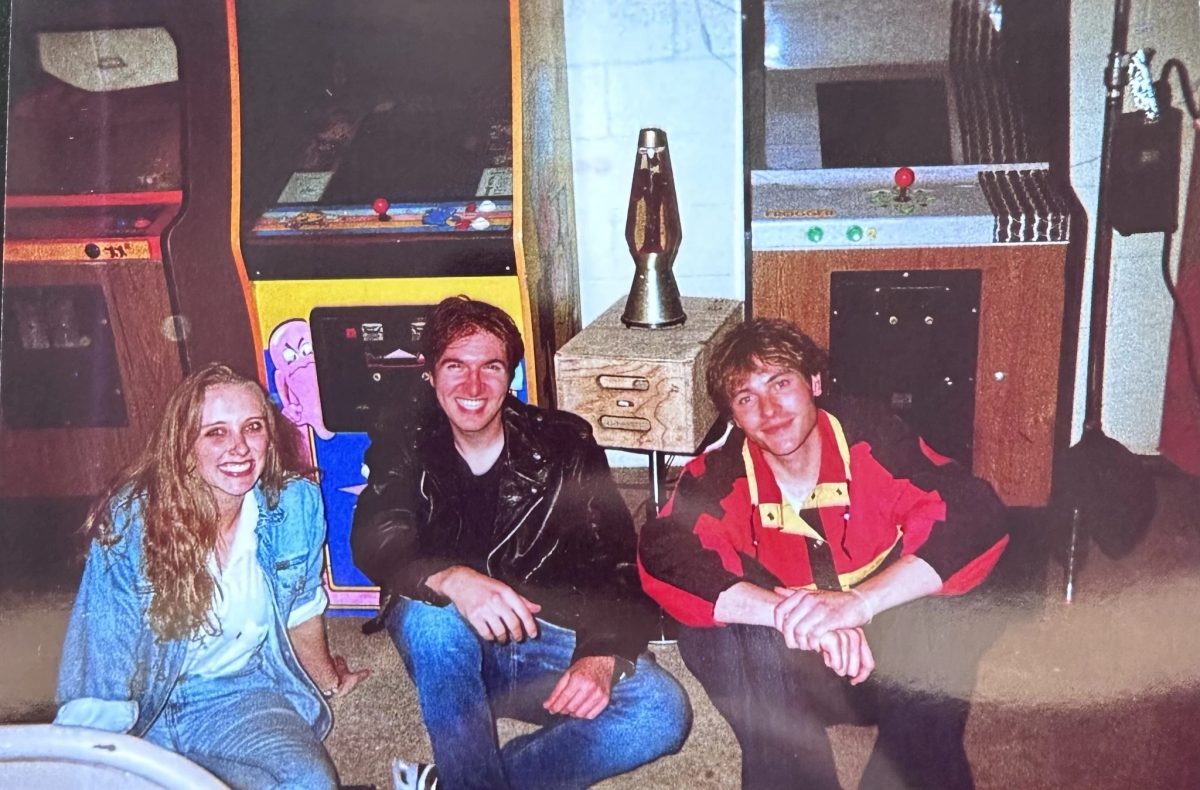
No, every project I have done and made led to where I am, and for that I’m grateful, especially in the case of Orion. The idea with Orion that pushed me to fully believe I can really do this is a lot thanks to my producer, Liam Harrington. From the moment I brought up the idea, characters, and story I wrote, he really was able to see a way to make this something special. He’s incredible and deserves so much. Orion is my dream 80s movie. What I mean by that is that I had wanted to make the movie that I myself would’ve loved to see. I grew up loving video games and have had a deep connection to the 80s for a long time. My parents are from that generation, and growing up watching 80s coming-of-age, playing retro games, and becoming more knowledgeable about the culture, aesthetic, and way of life became a safe haven for me to return to and still is.
Lizzy is named after a person who shares the same name; we met in college. She met me when I was struggling very heavily but saw parts of myself I hadn’t seen through a time when I really needed a friend. We helped raise money for Parkinson’s on campus, and while we did have something deeper, it never fully got out of the ground. I have a soft spot for her, and she reminded me of Ellen Reed from Family Ties, one of the biggest inspirations for Lizzy. Lea and I both connected on this when we first met, and that’s when I knew this was turning into something very special. Orion is deeply layered and personal to me in a lot of ways, especially when it comes to relationships, feeling lost in your 20s, and unspoken truths; the answer is always to say how you feel. In short, I don’t regret not choosing another idea since I know I’ll continue to grow with my art and ideas; age and time will reflect that. The people are what make the experience, and Orion brought together so many amazing people. Everything I’ve worked towards felt like a culmination of growth with Orion.
What’s the most challenging scene you’ve ever worked on?
Great question, but this is a hard one! For Orion, to me, there were two key ones, and each builds off the last. In terms of difficulty, the opening tracking shot was challenging since it was shot first and we were all getting used to each other’s workflow. Griffin Powell, my fantastic Assistant Director, and I worked on the blocking and discussed our ideas in the car, at home, and late at night after set to prepare. Blocking conversations helped immensely. Secondly, the key scene for me is the heart-to-heart between Rob and Lizzy. The entire film builds up to it, but the emotional connection and beats are all credited to Lea Denim and Jack Thomas Dickson. Phenomenal actors and great friends. I’ll always be in their corner and hope to work with both again! The three of us had a lot of fun getting to that scene throughout the process of the film in order to make that emotional build-up land. The heart-to-heart scene took inspiration from one of the most influential films for me and one of my top ten favorite movies of all time, Before Sunrise. Jack and I had connected on this, and we had a lot of fun getting into the depths of how that moment would play out. Similarly, Lea and I also had separate conversations and moments about what this is like for Lizzy: micro-expressions. I personally love it when a lot is told with looks, facial expressions, pure emotion. It really was a ton of fun throughout the whole thing. Going from a standard difficult shot due to timing to another having a scene be difficult due to everything beforehand needing to work.
Do you prefer working with experienced artists or discovering new talent?
I prefer working with a mix of both. Experienced artists always have something to teach that younger artists like myself and others can learn from. That being said I view filmmaking as a team sport, and my crew knows this. Newer artists and newer voices are especially important to nourish and tell stories that capture thoughts, feelings, and ideas for all of us to grow. There’s that relatability and understanding of human depth coming from both and I believe that there is constant growth for both. Younger artists deserve to be heard and experienced artists help boost this in the right creative environment.
How do you deal with criticism?
I’m always searching for feedback and criticism. I once had a film professor tell me, “The second you take yourself out of it, everything begins to flow.” I really believe he was right. Ever since I’ve heard that, it’s changed everything. You have to be able to spend the grueling hours PA’ing at the bottom to fully understand what it’s like at the top. It’s important to hear where you went wrong, and it’s equally important to hear what you did right. I know Orion won’t work for everyone and has its flaws; there are things I myself would change. I take criticism as fuel for the next project and use it as a step forward to launch me into an even greater spot.
What’s the biggest sacrifice you’ve made for your art?
Answer: Making Orion is the project I’m most proud of at this point in time. That and the upcoming feature film I was working on, doing both simultaneously. Feature during the day, short at night. I sacrificed time, money, comfort, energy, relationships, and did a lot of shadow work. Immediately following Orion, I was a Producer on two other projects and flew out to North Carolina, where I was a Producer and AD on that film. I over-extended myself, and it was a dream come true, but it also requires balance, something I’ve now achieved. I worked 12-14 hour days as a PA but was determined to get Orion made. If I was going to make my directorial debut, it had to be something that I myself wanted to tell. Given the scale, my story and characters, love for 80s films and retro gaming I needed to give it my all. I took any route necessary since I knew that this was bigger than myself. There are over 40 people, and you’re responsible for them. I learned so much about myself, and I’m so grateful for this experience in many ways. Dylan Lee, one of my best friends since middle school, lives in New York and was one of those people who saw the same belief and sacrifices firsthand. Dylan was our Line Producer and created the fundraiser for us, ran our social media, and believed in it from the start. Without him, this wouldn’t exist the way it does, and having people who will help like that, especially when it’s not directly for him, is incredible.
Is there a story you’ve been carrying inside you for years?
There is, and Orion is that story. My life felt completely different before and after college, and after having moved back just like Rob, in the film I knew I had to continue my dream of filmmaking and the arts somehow. All of it ties back to experiences from my personal life integrated in some way. Lizzy is named after a person who shares the same name; we met in college. She met me when I was struggling very heavily but saw parts of myself I hadn’t seen, at a time when I really needed a friend. We helped raise money for Parkinson’s on campus, and while we did have something deeper, it never fully got out of the ground. I have a soft spot for her, and she reminded me of Ellen Reed from Family Ties, one of the biggest inspirations for Lizzy. Lea and I both connected on this when we first met, and that’s when I knew this was turning into something very special. Orion is deeply layered and personal to me in a lot of ways, especially when it comes to relationships, feeling lost in your 20s, and unspoken truths; the answer is always to say how you feel. In short, I don’t regret not choosing another idea since I know I’ll continue to grow with my art and ideas; age and time will reflect that. The people are what make the experience, and Orion brought together so many amazing people. Everything I’ve worked towards felt like a culmination of growth with Orion.
Do you believe cinema can change society?
Of course! Cinema, or any art for that matter, is a deeper reflection on one’s internal beliefs, philosophy, and feelings told with an individualistic touch. Cinema has something for everyone and value in both. For example, liking a blockbuster-style film or an indie drama can all speak a different version of the same language of film and give a message that changes and creates real-world impact. To me, that is important; art is something everyone should be able to express and enjoy. Whether it is to give a message, tell how you feel or simply just for self-creative fulfillment, either way there's a real shared experience. Music, literature, and film have all made their place as cultural touchstones, and I know that it will continue.
What’s your relationship with fame?
I wouldn’t consider myself famous, but gaining recognition and doing interviews like this always creates a sense of appreciation and is very fun! Fame is just a side-note in the real process of making the art. That’s why I always continue to dedicate time to my next project even when nothing is happening, because I share the belief that there is always something happening. Some of my greatest artistic moments are having an impromptu saxophone or guitar session with friends heading down by Studio City, stepping onto an independent short set and communicating with a group, being in front of the camera or in front of the mirror reciting scenes to practice acting or writing for my own enjoyment. Fame is just the icing on the cake; it is always nice to hear that you and your work are being appreciated.
Have you ever felt misunderstood as an artist?
Honestly, not really. Of course, it happens occasionally, but I know myself, and I know my style, so I don’t try to be something I’m not. This is why I think as an artist sometimes the best thing you can do is contribute to others to explore a new side of your own creative identity. I felt this way on the project I shot in North Carolina. Doing that style of film was something I had always wanted to do, but I knew I needed to help support that person’s vision and also saw it as a way of gaining a side to my growing catalog. The artistic identity grows and can evolve, but that requires an understanding of what you do and don’t do. It’s a cyclical process of thinking, doing, creating, growing, and then sharing. Walter Pierce, our Co-Producer and Composer who found the location for the film, brought a unique artistic resource to the film that makes it what it is. Working with him in North Carolina and having his touch and fantastic score brought Orion to life.
What motivates you more: passion or ambition?
Answer: That’s a really hard question since, in truth, there is a mix of both, but if I had to choose one, I’m going with passion. I love PA’ing, and getting to PA on commercials is something I love, and I’m so grateful for because I’m just happy to be there. I have ambitions for myself, but I will always achieve them through passion and having the optimism, love, and belief that if I just keep doing what I’m doing, something will lead to another. During this whole process throughout the course of a little over a year, I started to see how my personal and artistic lives blend. Passion drives me to dive deep into the stories of my mind's creation, while the ambition for it helps push me to make it a reality. Especially if your dream is something you can see clearly, with a path leading to it through your current situation. I love the logistics just as much as the creative. It's solving a puzzle to create that circumstance in reality.
Is there a dream project you haven’t told anyone about yet?
There is, and the one I stated earlier is one of those that is kept close to the chest. For my other dream projects, I invite you on the journey and follow along. It’s going to be an amazing time. I love doing what I do at any level, and I encourage you to stay optimistic, keep creating, and I hope to work with anyone reading this!
What’s something audiences would be surprised to know about your process?
Audiences would be surprised to know just how much I write down in documents and get ahead of early logistics. Maybe that’s just my Producer brain, but I find everything much more efficient, easier, and better overall. Having my time as a PA on a feature film with big names like Ridley Scott, Mila Kunis, and Amazon Prime attached, seeing the ins and outs showed me just how important documents of every element are. Everything from concepts, safety protocols, step-by-step plans, updated call sheets, receipts, cost tracking, and more. I always like to have something to point to within a production that either is a written-down record of what is expected or planned for by the directors and team's vision or, more importantly, a document that can be looked at by someone new joining and having that mutual understanding.
Do you feel more vulnerable on stage, on set, or while writing?
I feel most vulnerable when I’m writing. Screenwriting isn’t my strongest suit but a skill I’m trying to develop. Beyond that, I find that writing in general, of any kind, requires a vulnerability that derives from pure thoughts based on life experiences. Writing is a very isolating process which requires proper care, and even when finished, it’s never really finished. Spielberg says the script is always breathing, and he’s right. The time to foster writing, for me, is that important ingredient and why feedback is important. Writing is also one of those things that can cause attachments when film is a delicate balance of detaching and balancing. There are things that can be written, but if it doesn’t fit the vision or needs to be changed, having that space is important. Liam and I had to rewrite the script before filming, and that’s just an example of having the ability to make that change. The funny thing is that as we had to cut and rewrite it all eventually landed closest to my original vision. Writing is a ton of fun and something I continue to practice, but when making a film it’s important to get the proper person for us; that was Trey Kochevar who delivered that tight 12-page screenplay.
If you had to describe your artistic journey in one word, what would it be?
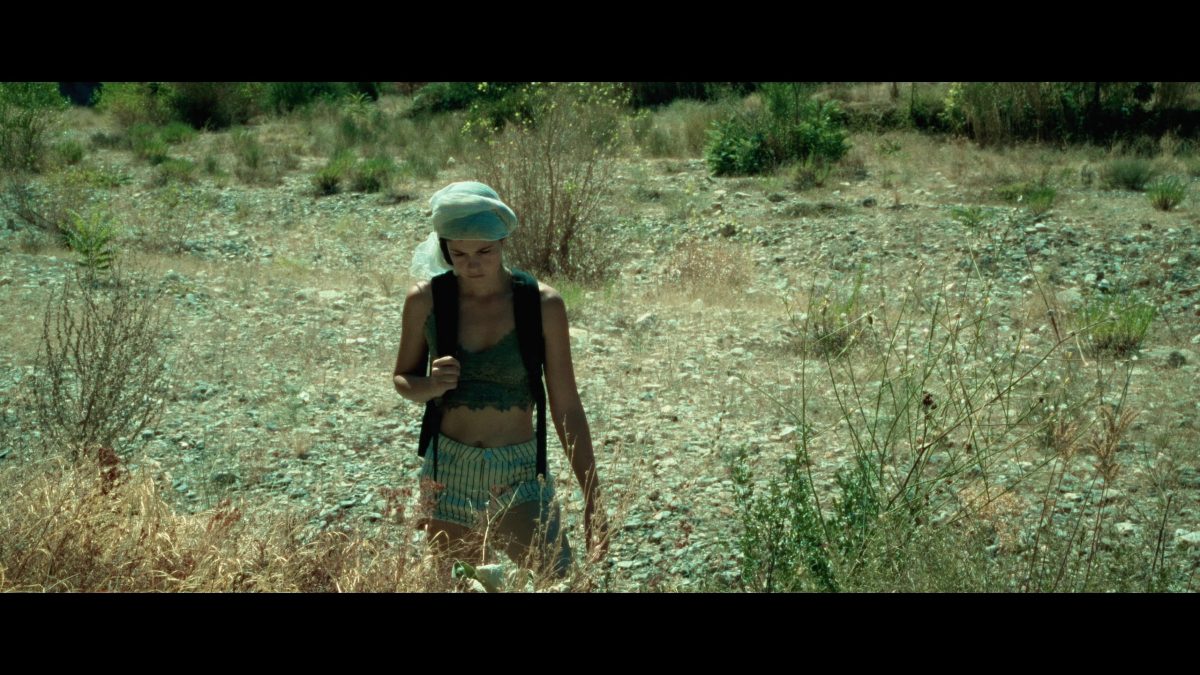
It’s very hard to say, but if I had to describe my artistic journey in one word, I would say “Healing.” I came to this realization about five years ago, almost halfway into my first semester of college in freshman year. I had realized that when I’m not doing art of some kind, I find that my way of expressing myself and feelings of growth, comfort, and satisfaction just feel off. During this time, I auditioned for Elon University’s Jazz Ensemble and played jazz alto saxophone. That part of me that needed rhythm and reason was back. Prior to that point, I had been doing music consistently since sixth grade, and while I was navigating that phase of my life, growing in film and music became my way of genuine connection. The same is true with my film career. Being able to heal and live through a childhood fantasy, a world of your creation, an imagined story, scenario, or a dream based on the version of what you see for yourself and can share within art is part of the magic of film. Being able to play Marty McFly in a recreation of Back to the Future, do a fantasy short film where I’m adventuring in the forest, or in a neon-soaked 80s arcade navigating a relationship. Each of these projects has pieces of me within them that continue to grow, evolve, and heal as a person, making everything exciting all over again.
When do you feel most proud of yourself?
I feel most proud of myself in two instances. One is when I’m in the process of doing what I love. Playing saxophone, acting, directing, writing, exploring moments where I can be let free to explore. The second is when I’m able to show the completion of that shadow work, quiet hours, as a tangible thing that lasts. To me, the back and forth between the flow brings me so much happiness. Always do what you love, always.